Kseniia & Tom gave talks at the Replaying Japan 2026 – August 2026
Replaying Japan 2026 also released “conference proceedings”, which include all extended abstracts of talks presented in the conference: https://drive.google.com/file/d/1Rwx0uaOOsluPYUPUlin4Wa-ugW8yRnDW/view
- The Character and the Card: Affective Database Consumption and Ludology in the Japanese TCG Market
- by Tom Tucek and Shivi Vats
- August 20, 2026
- This talk explains the structural differences between the Japanese Trading Card Game market, which heavily relies on transmedia intellectual properties, and the Western market, which is traditionally more focused on game mechanics. Drawing on theories of the Japanese Media Mix and affective database consumption, the presentation explores how franchises like Pokémon and Weiß Schwarz monetise player attachment to characters rather than competitive utility. It then contrasts this character-driven trend with the game Flesh and Blood, demonstrating how a mechanics-focused title can carve out a space in Japan by focusing on in-person community building within local game stores.
- Recontextualizing the King: Gender-Bending and Transmedia Storytelling in Japanese Video Games
- by Tom Tucek
- August 20, 2026
- This talk explores how Japanese video games often happen to use a form of “reverse exoticism” and gender-bending to transform Western mythological figures, such as King Arthur, into female heroines. Using the Fate franchise as a case study, the talk argues that this reimagining can simultaneously deconstruct traditional patriarchal historical narratives and optimise the character for commercial database consumption. By removing these figures from their historical context and repackaging them as aggregate character tropes, Japanese creators turn Western myths into fluid, interactive transmedia assets.
- I Pose, Therefore I Man: How JoJo’s Bizarre Adventure: All-Star Battle R Challenges the Myth of Masculine Neutrality
- by Kseniia Harshina
- August 20, 2026
- This talk explains how the fighting game JoJo’s Bizarre Adventure: All-Star Battle R challenges the assumption that masculinity in video games is a natural, neutral default. By analysing the title’s stylised combat, fashion, and integrated posing mechanics through the comparative lenses of professional wrestling and drag king theory, this analysis demonstrates how masculinity is actively staged as a visible, assembled performance. Focus is placed on how the game transforms virtual combat into a theatrical spectacle in which masculine power is communicated through aesthetic excess and constant self-display.
- “For Me, It’s Always Like This”: Gendered Catharsis in Silent Hill Across Game and Film
- by Kseniia Harshina
- August 20, 2026
- This talk explains how the Silent Hill franchise externalises the trauma of female characters by physically manifesting their suffering into the environmental design of the games and film adaptations. By comparing the original 1999 game, its 2006 cinematic adaptation, and Silent Hill 2, this talk analyses how narrative perspective dictates whether protagonists can fully witness or comprehend these materialised spaces of abuse, using feminist game studies to consider whose viewpoint guides players in a horror world based on women’s pain.
- The Gacha Paradox: Gambling Awareness and Regulation Attitudes Among Japanese University Students
- by Tom Tucek
- August 21, 2026
- This lightning talk presents findings from a mixed-methods study exploring how Japanese university students perceive the gambling elements of gacha systems in mobile games. The results reveal a contradiction where nearly 70% of surveyed students recognise gacha as a form of gambling, yet the majority simultaneously oppose legal regulations or age restrictions. Qualitative follow-up interviews suggest that the cultural normalisation of quasi-gambling institutions, such as Pachinko, frames such spending as a matter of personal freedom rather than a consumer-protection issue.



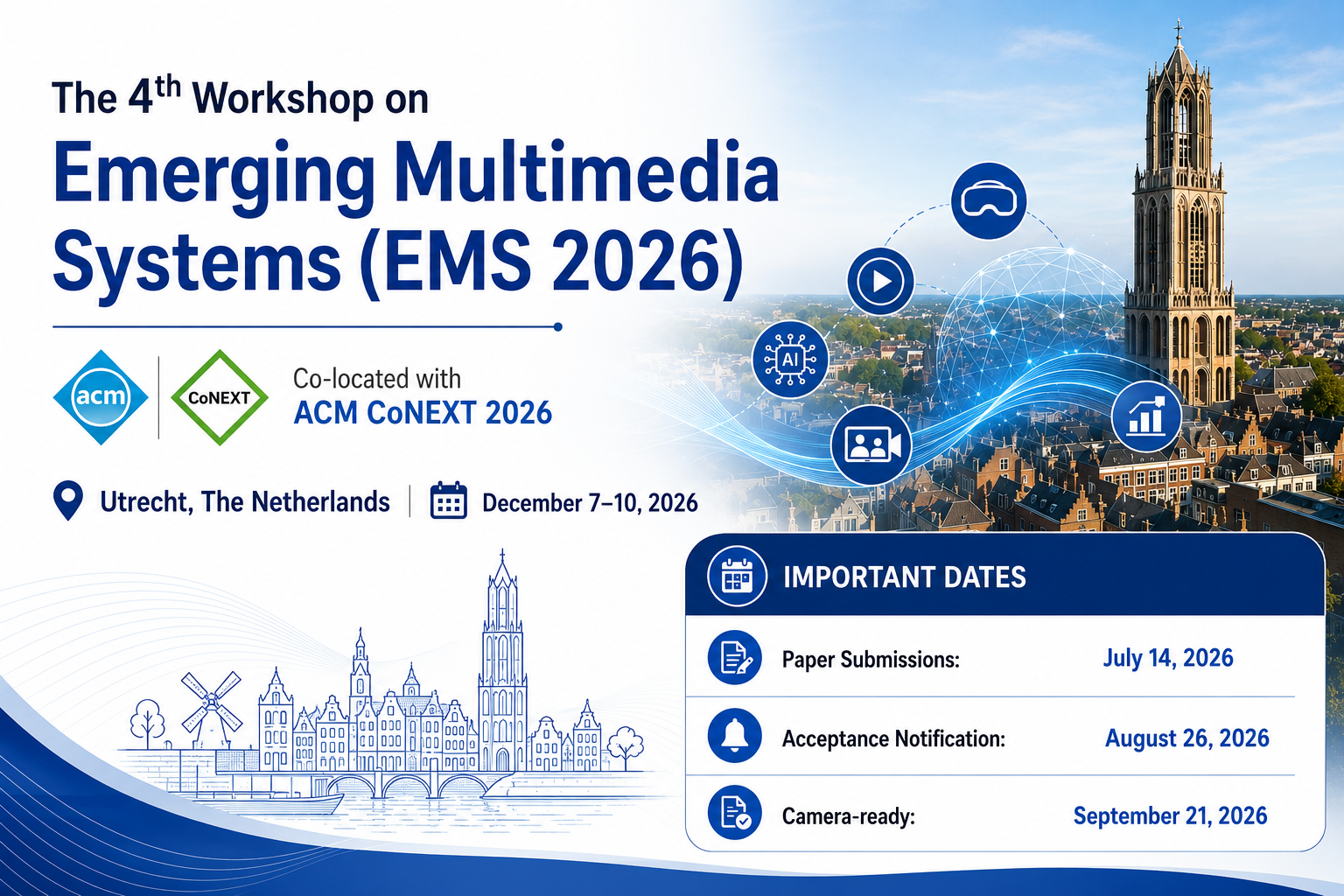
 Call For Submissions
  Topics of interest in Call-for-Papers
  Important Dates
 Co-Chairs
 Technical Program Committee
  Keynote Speech